The Cute Faced Tiger Animal: A Modern Design Asset
When building a visual identity, the assets you choose speak volumes before a single word is read. The Cute Faced Tiger Animal illustration is more than just a charming graphic; it's a versatile design element crafted for modern creative needs. This isn't a generic clipart file. It's a high-quality, vector-based cartoon illustration designed to bring personality and professionalism to a wide range of projects. Its appeal lies in its unique blend of approachability and boldness, making it a standout piece for anyone looking to inject character into their work.
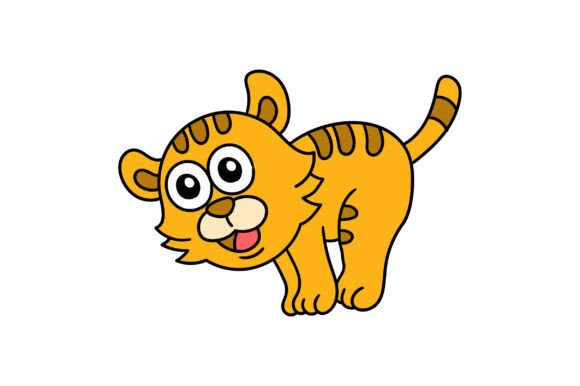
Visually, the Cute Faced Tiger Animal strikes a perfect balance. It uses a flat design aesthetic, which keeps it clean and scalable, but the characterization is where it shines. The "cute faced" aspect is achieved through thoughtful proportions—a slightly larger head, expressive eyes, and a friendly, non-threatening stance. The tiger stripes are simplified into clean, graphic shapes rather than realistic textures. This style ensures it feels contemporary and works seamlessly across digital and print mediums. It possesses a gentle personality, making it suitable for audiences of all ages, while still retaining the recognizable strength and energy associated with a tiger. This duality makes it an incredibly flexible asset for branding, where you need to be both welcoming and memorable.
Practical Applications for the Cute Faced Tiger Animal
Understanding where this illustration fits best is key to leveraging its potential. Its clean vector format means it scales perfectly from a tiny favicon to a large banner. For logo design, it can serve as a primary mascot or a secondary brand mark, adding a friendly touch to a business name. Think of a children's bookstore, a pet grooming service, a sports team for kids, or even a tech startup wanting to project a more approachable image. In packaging design, it can make products on a shelf feel more inviting, particularly for items targeting families or a younger demographic.
For digital creators and marketers, the Cute Faced Tiger Animal is a goldmine. Use it in social media graphics to create eye-catching posts, profile pictures, or story highlights that stand out in a crowded feed. It works exceptionally well for Instagram, Pinterest, and TikTok content. Bloggers and publishers can integrate it into their editorial design as a recurring character, a section divider, or a featured image to break up text and enhance reader engagement. For web design, it can add warmth to an "About Us" page, a 404 error page, or a loading animation, making the user experience more delightful.
Integrating the Asset into Your Brand Identity
A strong brand identity relies on consistency and emotional resonance. The Cute Faced Tiger Animal can be a cornerstone of that identity if used thoughtfully. Its personality—friendly, bold, and slightly playful—should align with your brand's voice. If your brand messaging is serious and corporate, this illustration might create a disconnect. However, for brands that value approachability, creativity, and fun, it can become a powerful brand recognition tool. Consistency is crucial; use the same style of the tiger across your website, social media, email newsletters, and printed materials to build a cohesive visual language.
When pairing this illustration with typography, consider the overall tone. The tiger's friendly, rounded forms pair well with sans serif fonts that have a similar humanist or geometric quality. Avoid overly rigid or traditional serif fonts that might clash with its modern, cartoon style. A clean script font could work for a more whimsical, personal touch, but test it carefully to ensure readability. The goal is to create visual harmony, not competition. The illustration should complement your chosen typeface, not fight for attention.
Working with the Provided Formats
You receive the Cute Faced Tiger Animal in a convenient zip file containing PDF, PNG, and JPG formats. Each has its place in a designer's workflow. The PDF is ideal for high-quality print projects—think brochures, posters, and merchandise—where you need a scalable vector file that preserves every detail. The PNG file comes with a transparent background, making it perfect for layering over other graphics in digital designs, websites, and video projects. The JPG is a versatile, compressed format suitable for web use, social media posts, and any application where file size is a consideration and the background color is solid or known.
Before finalizing any project, it's wise to evaluate the fit. Does the illustration's style align with your project's overall aesthetic? Does its tone match the message you want to convey? Test it in context. Place it on your website mockup, next to your logo, or within your social media template. See how it interacts with your color palette and other design elements. This kind of practical testing is more valuable than any theoretical description. As a premium design asset, it offers quality and versatility, but its effectiveness ultimately depends on how well it integrates with your unique creative vision.